Introduction
Information systems are one of the indicators of health
development [1]. Information
systems are powerful tools in facilitating and improving processes and
increasing efficiency in hospitals and are one of the most essential components
of the healthcare sector [2].
The nursing information system (NIS) is a subsystem of the hospital information
systems that supports the clinical, administrative, and managerial activities
of nurses [3]. Nurses play
a prominent and irreplaceable role in patient care; therefore, they should be
able to share information promptly and effectively using solid communication
channels. The main goal of the NIS is to distribute and transfer data between
nurses to facilitate the process of patient care and improve clinical
decision-making [3, 4]. The clinical activities of
nurses are divided into direct and indirect activities. Direct activities
involve direct interaction with the patient, such as checking vital signs.
The clinical activities of nurses are divided into direct
and indirect activities. Indirect activities focus on the care environment and
support the effectiveness of direct activities, such as documenting patient
care and communicating with other service providers [5-7].
Documentation is one of the most time-consuming indirect
activities for nurses. With its capabilities and use of technology, information
science, and nursing science, the NIS can increase nurse satisfaction by
reducing repetitive writing and improving quality, encouraging nurses to use
the system in their routine work [5,
8]. Since high-quality
documentation is a prerequisite for effective and efficient communication among
providers, the NIS, with a wide range of information, helps nurses find,
interpret, organize, and evaluate various information from relevant sources to
make appropriate and timely decisions to improve the quality of patient care [9-11].
Studies have shown that many health information systems
face challenges after development and need to be better received by users [12]. Security issues, technical problems,
changes in work processes, negative attitudes, and user resistance to using the
system are among these challenges. Human factors such as negative user attitudes,
disinterest, and lack of confidence in the system are more important than other
categories [13].
Recent studies have underscored the importance of user
satisfaction, as well as the behavioral outcomes of both the user and system,
as critical and often contested topics [14]. It will fail when information systems fail to
execute specific tasks aligned with user needs. Consequently, all the resources
invested in its creation could be well-spent. By evaluating and examining the
system, challenges can be identified. Then, with appropriate intervention, the
efficiency and effectiveness of the system can be improved, thereby increasing
the likelihood of its success [15-17].
Various studies show that different users have different
perspectives on the quality of hospital information systems, so when evaluating
an NIS, the methods and tools should suit its specific users, namely nurses [18-20]. Nurses, as NIS users, are more than just simple
users. Every time they use the system, they practically evaluate its quality.
If the quality of the system or the quality of the services it provides is not
satisfactory to them, they will not use it effectively and efficiently [21, 22].
Studies have shown that many health information systems
face challenges after development and need to be better received by users [12]. Considering the importance
and role of the nursing profession in the treatment cycle and the importance of
NIS and its significant role in facilitating processes and improving the cycle
of information transfer and retrieval in a timely and effective manner, this
study aims to investigate the perceptions of nurses regarding the use, quality,
and user satisfaction of NIS.
Material and Methods
This study is a descriptive cross-sectional study
conducted in November 2022. The statistical population of this study
encompassed all nurses employed in educational hospitals affiliated with the Gilan
University of medical sciences in Rasht, Iran, amounting to 1049 individuals.
The inclusion criteria consisted of 1) nurses actively serving at an
Educational Hospital in Rasht and having completed the PHCC CIS training
program, 2) nurses with experience using the NIS, and 3) nurses willing to
participate in the study. The sample size, determined through the utilization
of Cochran's formula with a 95% confidence level and 95% accuracy, was
calculated to be 252 individuals. The sampling method employed was a
combination of quota sampling and random sampling. Niemann's allocation method
was utilized to allocate the sample size across different hospitals,
proportionate to the number of nurses in each hospital (Table 1).
Table 1: Sample distribution by hospital based
on Niemann allocation.
|
Hospital’s Name
|
Number of Nurses
|
Ratio
|
Number of Samples
|
|
17 Sharivar
|
130
|
0.12
|
31
|
|
Velayat
|
71
|
0.07
|
17
|
|
Shafa
|
128
|
0.12
|
31
|
|
Razi
|
236
|
0.22
|
57
|
|
Doctor Heshmat
|
151
|
0.14
|
36
|
|
Pour Sina
|
206
|
0.20
|
49
|
|
Amir al-Momenin
|
37
|
0.04
|
9
|
|
Al-Zahra
|
90
|
0.09
|
22
|
|
Total
|
1049
|
1
|
252
|
The data were collected using a questionnaire. The first
part of the questionnaire pertained to demographic information (gender, age,
level of education, hospital work experience, and work experience with the
system); the second part was the Ottino questionnaire. After obtaining the
necessary permissions for conducting this study and coordinating with hospital
managers, the researcher visited hospital departments, explained the study
objectives, the confidentiality of the information, and voluntary participation
to all participants, and obtained informed consent. Data were collected using
the questionnaire.
The instrument used
in this study to collect data was a standardized questionnaire developed by
Ottino in 2007 [18], which
examines nurses' perceptions in three areas: use, user satisfaction, and
quality of NIS. The Likert scale (never=1, rarely=2, sometimes=3, often=4,
always=5) is used for scoring. The questionnaire consists of 12 items for the
Use variable, divided into two aspects: nursing care management (seven items)
and utilization of system modules (five items). The quality variable (13 items)
includes 11 items for information quality and 2 items for service quality. The user
satisfaction variable has 9 items [18].
The questionnaire was initially translated using the forward-backward
method [23]. A bilingual
translator translated the questionnaire into Persian. The translation was then
assessed by a panel of experts, including two medical informatics specialists
and two nurses, for clarity and understandability. Cultural modifications were
taken into consideration during this process. After comparing two English
versions of the questionnaire, the revised translation was back-translated into
English to produce the final version.
In the next stage, we investigated the reliability and
content validity of the questionnaire using both quantitative and qualitative
methods. To evaluate face validity, we used two methods: quantitative and
qualitative. To determine the qualitative face validity of a questionnaire, a
panel of 15 medical informatics specialists and nurses was consulted. The aim
was to identify any difficulties, inconsistencies, ambiguities, or inadequacies
in the meaning of words. The panel provided their opinions in the form of minor
changes to the questionnaire. To determine the quantitative face validity, the
Impact Score of each question was calculated. All questions with a score equal
to or greater than 1.5 were included in the questionnaire, as indicated by the
Impact score results.
After a thorough examination of the instrument, 5 nursing
experts were asked to conduct a qualitative review of its content validity. Any
feedback should be submitted in writing. It is important to note that in the
evaluation of content validity, grammar, word choice, question relevance, and
question placement should be carefully considered, while also taking into
account the completion time of the tool. After gathering expert opinions, we
considered the required changes to the tool.
To quantitatively assess the validity of the content and
ensure that only the most important and accurate content (i.e., necessary
questions) were selected, we used the content validity ratio (CVR) and content validity
index (CVI) to measure the content. To quantitatively assess the validity of
the content and ensure that only the most important and accurate content (i.e.,
necessary questions) were selected, we used the CVR and CVI to measure the content.
This helped us ensure that the tool's questions were directed in the best
possible way. To quantitatively assess the validity of the content and ensure
that only the most important and accurate content (i.e., necessary questions)
were selected, we used the CVR and CVI to measure the content. The CVR of 0.86
indicates that all questions were equal to or greater than the Lawshe criteria
[24, 25].
This article confirms that the tool used the necessary questions
and importance. All questions had a CVI of 0.91, which is higher than 0.78,
indicating their suitability. Additionally, the questionnaire was found to be
comprehensible to the participants, demonstrating appropriate face and content
validity. After evaluating the validity, the reliability of the questionnaire
was checked using the test-retest method, which measures the repeatability of
the results. The nurse was given a certified copy of the questionnaire and was
asked to fill it out again two weeks later. The internal correlation coefficient
(ICC) rate for the entire questionnaire was 0.85, with different sections
ranging from 0.78 to 0.90, which is within an acceptable range [26]. Cronbach's alpha was used
to analyze the internal consistency. Values greater than 0.70 were deemed
acceptable and demonstrated a high degree of internal consistency [27]. The results showed
excellent internal consistency for the investment (Cronbach's alpha=0.90).
This research was approved by our university’s institutional
review board. The research objectives were verbally
explained to all participants by two members of the research team, and after
addressing their questions, if they expressed interest, the questionnaire was
provided to them for completion. Additionally, at the beginning of the
questionnaire, the research objectives, methodology, and confidentiality were
explained again, and participants were given the option to withdraw from the
study at any time. No private information regarding the participants, such as
their full name, phone number, email address, or similar details, was collected
or used. The confidentiality of the participant's responses was also ensured.
Descriptive statistics (mean, standard deviation,
percentage, minimum, and maximum) were used to describe the population's
demographic characteristics. The mean scores of the questionnaires completed by
the participants were used to obtain the nurses' perceptions, and these scores
were then used to calculate the score for each of the three subscales. The
Kolmogorov-Smirnov test was used in the inferential statistics section to
examine usage, quality, and user satisfaction normality (p>0.05). the
normality of the data was not rejected, and all three variables followed a
normal distribution. Regression and Pearson correlation were used to examine
the correlation between variables. SPSS version 27 was used for data analysis.
Results
Two hundred and fifty-two participants entered this
study, including 245 females (97.2%) and 7 males (2.8%). The participants' mean
age was 36.59±7.9, with 40.48% aged between 31-40 years. Furthermore, 90.1% of
the participants held a bachelor's degree, 33.33% had 11-15 years of Hospital
work experience, and 61.90% had 6-10 years of work experience with the system
(Table 2).
Examination of the overall status of the usage,
quality, and user satisfaction
As shown in Table 3, the mean usage of the system was
2.38 ± 0.42, the mean quality was 3.11 ± 0.59, and the mean user satisfaction
with the system was 2.93 ± 0.82. The overall perspective of the nurses was 2.81
± 0.49.
Table 2: Demographic characteristics of
participants
|
Variable
|
n
|
%
|
|
Sex
|
Female
|
245
|
97.2
|
|
Male
|
7
|
2.8
|
|
Age
|
<=25
|
19
|
7.54
|
|
26 - 30
|
46
|
18.25
|
|
31 - 40
|
102
|
40.48
|
|
41 - 50
|
76
|
30.16
|
|
>50
|
6
|
2.38
|
|
missing
|
3
|
1.19
|
|
Level of education
|
Bachelors
|
227
|
90.1
|
|
Masters
|
25
|
9.9
|
|
Hospital work experience (years)
|
<=1
|
17
|
6.75
|
|
2 - 5
|
46
|
18.25
|
|
6 - 10
|
27
|
10.72
|
|
11 - 15
|
84
|
33.33
|
|
16 - 20
|
53
|
21.03
|
|
> 20
|
25
|
9.92
|
|
Work experience with the system
(years)
|
<= 1
|
16
|
6.35
|
|
2 - 5
|
48
|
19.05
|
|
6 - 10
|
156
|
61.90
|
|
> 10
|
14
|
5.56
|
|
missing
|
18
|
7.14
|
Table 3: Mean and standard deviation of the
usage, quality, and user satisfaction (n=252)
|
Variable
|
Min
|
Max
|
Mean
|
SD
|
|
Use
|
1.33
|
4.67
|
2.38
|
0.42
|
|
Quality
|
1.77
|
4.77
|
3.11
|
0.59
|
|
User satisfaction
|
1
|
4.89
|
2.93
|
0.82
|
|
Total
|
1.69
|
4.70
|
2.81
|
0.49
|
Evaluation of the usage, quality, and user satisfaction
with the NIS
The item 'obtaining the results from new tests or
investigations' and the item 'obtaining results of tests and investigations'
received the highest mean scores among the usage items. On the other hand, the
item 'writing nurse care worksheets (Kardex)' received the lowest score. Among
the quality items, the item 'How often does the system provide up-to-date
information?' received the highest score, while the item 'How often is the
system user-friendly?' received the lowest score. Table 4 shows that the item 'Do
you feel the safety of patients has improved due to NIS?' received the highest
score among the user satisfaction items, while the item 'Do you feel NIS has
been successful in your hospital?' received the lowest mean.
Table 4: Mean scores of participant responses
to survey items
|
Item
|
Mean (SD)
|
|
Use
|
Review
the patient’s problems.
|
1.99 (0.98)
|
|
Enter
daily nursing care notes.
|
1.51 (0.74)
|
|
Capturing
patient observations at the bedside
|
1.88 (1.05)
|
|
Write
nursing care plans.
|
1.21 (0.61)
|
|
Write
nurse care worksheets (Kardex).
|
1.21 (0.64)
|
|
Collect
patients’ info for discharge reports.
|
3.67 (1.01)
|
|
Document
physical assessment of patients.
|
1.80 (1.01)
|
|
Obtain
information on investigation or treatment procedures.
|
3.21 (1.32)
|
|
Obtain
the results from new tests or investigations.
|
4.25 (0.68)
|
|
Answer
questions concerning general medical knowledge (concerning treatment,
symptoms, complications, etc.)
|
1.52 (0.78)
|
|
Obtain
results of tests and investigations.
|
4.15 (0.91)
|
|
To check
drug information (such as allergy and interactions)
|
2.11 (1.03)
|
|
Quality
|
How often
does the system provide the precise information you need?
|
3.21 (0.85)
|
|
How often
does the information content meet your needs?
|
3.05 (0.95)
|
|
How often
does the system provide reports that seem to be just exactly what you need?
|
3.02 (0.86)
|
|
How often
does the system provide sufficient information?
|
3.11 (0.81)
|
|
How often
is the system accurate?
|
3.31 (0.94)
|
|
How often
are you satisfied with the accuracy of the system?
|
3.10 (1.02)
|
|
How often
do you think the output is presented in a useful format?
|
2.87 (1.12)
|
|
How often
is the information clear?
|
3.20 (1.05)
|
|
How often
is the system user-friendly?
|
2.86 (1.06)
|
|
How often
do you get the information you need in time?
|
3.31 (0.79)
|
|
How often
does the system provide up-to-date information?
|
3.40 (0.83)
|
|
How often
can you count on the system to be up and available?
|
3.31 (0.77)
|
|
How often
is the system subject to frequent system problems and crashes?
|
3.22 (0.79)
|
|
User satisfaction
|
Do you
feel NIS is useful?
|
3.10 (1.02)
|
|
Do you
feel your performance has improved due to NIS?
|
2.97 (1.06)
|
|
Do you
feel the quality of your work has improved?
|
2.87 (1.05)
|
|
Do you
feel NIS is worth the time and effort required to use it?
|
2.91 (1.19)
|
|
Do you
feel the quality of information has improved due to NIS?
|
2.89 (1.05)
|
|
Do you
feel NIS has been successful in your hospital?
|
2.79 (1.00)
|
|
Do you
feel NIS is an important system for your hospital?
|
3.24 (1.04)
|
|
Do you
feel the safety of patients has improved due to NIS?
|
2.81 (1.16)
|
|
Overall,
are you satisfied with the NIS?
|
2.78 (0.89)
|
Evaluation of the regression coefficients between usage,
user satisfaction, and quality
The study's findings revealed significant relationships
between system usage quality and user satisfaction. The variable with the
greatest influence on system usage was quality, accounting for 31% of the
explained variance.
This suggests that higher levels of quality are
associated with increased adoption and utilization of the system. The impact of
user satisfaction on system usage was found to be 19 percent, indicating that
higher satisfaction levels lead to increased engagement. Additionally, the
study revealed that quality is a significant factor in user satisfaction,
accounting for 53 percent of the observed variability. This underscores the
importance of developing high-quality systems to improve user satisfaction.
Lastly, the usage variable was found to have a 14 percent impact on user
satisfaction, revealing that the extent of system usage by individuals also
plays a role in their satisfaction levels (Fig 1). These results provide
valuable insights into the relationship between quality, system usage, and user
satisfaction in this context.
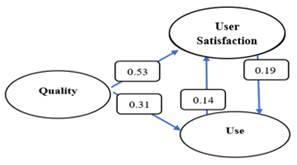
Fig 1: The model related to the impact of each
variable
Discussion
The present study evaluated nurses' perceptions of
quality, user satisfaction, and usage of the NIS and the relationship between
these variables. The results showed that the usage level was above 3 out of 5
in nursing care management, with the highest usage for the item
"collecting patients' info for discharge reports" and the lowest
usage for the item "writing nurse care worksheets (Kardex)” Since nurses
in hospitals perform paper documentation simultaneously with system
registration, and filling out nursing reports, plans, and Kardex is a
time-consuming task that requires accuracy and concentration, redoing these
tasks in the NIS is difficult for them, and they are less inclined to do so.
Studies have shown that parallel use of paper and electronic systems leads to
time waste, reduced workflow speed, and increased resistance to using
information systems [28].
Besides, nurses believe that the system wastes the time they could allocate to
patient care [29].
In the second section, the highest usage level was for
"obtaining the results from new tests or investigations" and
"obtaining results of tests and investigations." In contrast, the
lowest usage level was for the items "answering questions concerning
general medical knowledge (treatment, symptoms, complications)" and
"checking drug information (such as allergy and interactions)." Since
all tests in the hospitals of Rasht city are registered in the system by
nurses, and the laboratory also provides responses via the system, this module
is one of the mandatory modules that nurses must use. Therefore, the high usage
level is because of the obligation to use it. However, other items in this area
are optional, and nurses are not inclined to use them, which may be due to the
high workload and shortage of staff, as well as the inadequacy and slowness of
hardware and software systems, increasing the workload. In addition, the
system's coordination with daily routines and actual workflow can be among the
reasons for the need for more interest in using non-mandatory items.
According to nurses, the quality of the NIS was above 3
out of 5. In the information quality section, nurses considered accuracy and
timeliness to have the highest level of quality. On the other hand, the items
"How often is the system user-friendly?" and "How often do you
think the output is presented in a useful format?" had the lowest level of
quality. The results in the information quality section were consistent with
other studies [29, 30]. The service quality
variable included two items, with more than half of the nurses (58%) believing
they could rely on the system being active and ready for use. Regarding system
failures, most nurses believe the system experiences frequent breakdowns and
disruptions in more than half of the cases.
The user satisfaction level with the system was reported almost
3 out of 5. The highest score was for the item "Do you feel NIS is an
important system for your hospital?" while the lowest score from the
nurses' perspective was for the item "Do you feel the quality of
information has improved due to NIS?". The results showed that nurses know
the importance of the NIS for the hospital. However, the system has yet to
improve the quality, efficiency, and effectiveness of information in the
hospital. This finding is consistent with other similar studies [31].
Furthermore, the results showed that all three variables
of quality, user satisfaction, and usage are significantly correlated.
Therefore, the more satisfied nurses are with the NIS, the more they use it.
Since user satisfaction is a part of the user's attitude towards the system, it
can be said that the results are consistent with Mehraeen et al.'s study, which
states that the more positive the user's attitude towards the system, the more
they use it [32].
Furthermore, the higher the quality of the NIS from the
perspective of nurses, the greater their satisfaction with the system. This
result is in line with a previous study [33]. Additionally, the more nurses perceive the NIS to
be of higher quality, the more frequently they use it. This finding is also
consistent with another study [34].
Overall, in this study, NIS usage was below the mean,
quality was above the mean, and user satisfaction was mean from the perspective
of nurses. Although the system's quality and the nurses' user satisfaction were
acceptable, its usage was below the mean. This result may be because NISs are
not aligned with nurses' daily workflow and do not meet their expectations and
needs. It seems nurses do not feel the need to use the system or consider it a
facilitator of their daily work. Therefore, they only use it in mandatory
cases. Thus, NIS developers should consider users as customers and prioritize
their needs, expectations, and desires. The system should be easy to use and
understand, high-quality and efficient, and not complicate working conditions.
Healthcare organizations are complex and multifaceted, aiming to improve
patient care quality. Therefore, all measures should be taken in line with this
important goal.
Conclusion
The findings of this study demonstrate that the scores pertaining
to nurses' perceptions regarding the Use, Quality, and User Satisfaction of the
NIS were found to be deficient. This inadequacy highlights the need for
healthcare managers to carefully consider the specific needs and expectations
of nurses during the procurement or design phases of a NIS implementation in
order to mitigate the risk of potential failure. Furthermore, it is imperative
that the NIS be comprehensively aligned with the requirements of nurses. Many
of the system's features are overlooked by nurses and remain underutilized
within the healthcare environment. Consequently, healthcare managers must
prioritize the incorporation of nurses' needs and expectations in order to
ensure the practical utilization, efficiency, and overall success of the NIS.
Acknowledgement
The authors extend their gratitude to the nurses employed
in the educational hospitals affiliated with Gilan University of Medical
Sciences in Rasht for their valuable contribution in facilitating the
implementation of this study.
Author’s contribution
Conceptualization: SR, SH, FZ, SV; Data Collection: SH,
SR; Formal Analysis: SR, SH, FZ, ZK; Methodology: SH, SR, FZ, SV; Resources:
SH, SR, SV, ZK, FA; Supervision: SR, SV; Writing Original Draft: SH, SR, ZK, SV;
Writing Review and Editing: SR, SV, ZK. All authors have read and agreed to the published version of the manuscript.
All authors contributed to the literature review, design,
data collection, drafting the manuscript, read and approved the final
manuscript.
Conflicts of interest
The authors declare no conflicts of interest regarding
the publication of this study.
Ethical Approval
This research has been approved by the Ethics Committee
of Shahid Beheshti University of Medical Sciences (Ethics Code: IR.SBMU.RETECH.REC.1400.1188).
Financial disclosure
This research was supported by the School of Allied
Medical Sciences, Shahid Beheshti University of Medical Sciences, Tehran, Iran
[Project NO. 32240].
AI Usage
No AI was used. The authors assume full responsibility
for the final manuscript.
References
1.
Nascimento T, Frade I, Miguel S, Presado MH, Cardoso
M. The challenges of nursing information systems: A narrative review of the
literature. Cien Saude Colet. 2021; 26(2): 505-10. PMID: 33605328 DOI: 10.1590/1413-81232021262.40802020 [PubMed]
2.
Karitis K, Gallos P, Triantafyllou IS, Plagianakos
V. Chios hospital information system assessment. Stud Health Technol Inform.
2021; 287: 158-62. PMID: 34795102 DOI: 10.3233/SHTI210837 [PubMed]
3.
Souza A, Neto A, Montaleão R, Schmitz
EA, Alencar AJ. Facilitators and barriers that influence nursing professionals
in the adoption of information systems.
4.
Moy AJ, Schwartz JM, Chen RJ, Sadri S, Lucas E, Cato
KD, et al. Measurement of clinical documentation burden among physicians and
nurses using electronic health records: A scoping review. J Am Med Inform
Assoc. 2021; 28(5): 998-1008. PMID: 33434273 DOI: 10.1093/jamia/ocaa325 [PubMed]
5.
Hsu H-H, Wu Y-H. Investigation of the effects of a nursing
information system by using the technology acceptance model. Comput Inform
Nurs. 2017; 35(6): 315-22. PMID: 27832033 DOI: 10.1097/CIN.0000000000000313 [PubMed]
6.
Kahouei M, Mohammadi HB, Majdabadi HA, Solhi M,
Parsania Z, Said Roghani P, et al. Nurses’ perceptions of usefulness of nursing
information system: Module of electronic medical record for patient care in two
university hospitals of Iran. Mater Sociomed. 2014; 26(1): 30-4. PMID: 24757398 DOI: 10.5455/msm.2014.26.30-34 [PubMed]
7.
Peršolja M. Intensity of nursing work in a primary
healthcare center: An observational study. Int J Nurs Sci. 2024; 11(5): 536-43.
PMID: 39698135 DOI: 10.1016/j.ijnss.2024.10.007 [PubMed]
8.
Guo Y, Jiang Y, Zhao Y, Zhao Y, Chen D, Zhang Y, et al. Nurses’
innovative use of information systems: A narrative review. Front Public Health.
2026; 14: 1808207. PMID: 42267288 DOI: 10.3389/fpubh.2026.1808207 [PubMed]
9.
Uslu A, Stausberg J. Value of the electronic medical
record for hospital care: Update from the literature. J Med Internet Res. 2021;
23(12): e26323. PMID: 34941544 DOI: 10.2196/26323 [PubMed]
10.
Ozbolt JG, Saba VK. A brief history of nursing
informatics in the United States of America. Nurs Outlook. 2008; 56(5): 199-205.
PMID: 18922268 DOI: 10.1016/j.outlook.2008.06.008
[PubMed]
11.
Ayele S, Gobena T, Birhanu S, Yadeta TA. Attitude towards documentation and its
associated factors among nurses working in public hospitals of Hawassa city administration,
southern Ethiopia. SAGE Open Nurs. 2021; 7: 23779608211015363. PMID: 34104715 DOI: 10.1177/23779608211015363 [PubMed]
12.
Ward M, Vartak S, Schwichtenberg T, Wakefield DS. Nurses’ perceptions of how clinical
information system implementation affects workflow and patient care. Comput
Inform Nurs. 2011; 29(9): 502-11. PMID: 21825972 DOI: 10.1097/NCN.0b013e31822b8798 [PubMed]
13.
Ahmadian L, Dorosti N, Khajouei R, Hajesmaeel Gohari S. Challenges of using hospital
information systems by nurses: Comparing academic and non-academic hospitals. Electron
Physician. 2017; 9(6): 4625-30. PMID: 28848639 DOI: 10.19082/4625 [PubMed]
14.
Lin HC, Chiou JY, Chen CC, Yang CW. Understanding
the impact of nurses’ perception and technological capability on nurses’
satisfaction with nursing information system usage: A holistic perspective of
alignment. Computers in Human Behavior. 2016; 57: 143–52.
15.
Setyonugroho W, Puspitarini AD, Kirana YC, Ardiansyah
M. The complexity of the hospital information system (HIS) and obstacles in
implementation: A mini-review. Enfermería Clínica. 2020;
30: 233–5.
16.
Romauly Tambunan G, Ginting M. Comparison of heuristic
evaluation and cognitive walkthrough methods in doing usability evaluation of mobile-based
Del Egov centre hospital information system. Prosiding Seminastika. 2021; 3(1):
99-106.
17.
Hanesya AF, Marchianti ACN, Bukhori S. Evaluation
of the hospital information system (HIS ) using EUCS and PIECES methods on the medical
record section of RSUD dr. Haryoto Lumajang. International Journal Of Computer,
Network Security and Information System. 2021; 3: 13–20.
18.
Otieno OG, Toyama H, Asonuma M, Kanai-Pak M, Naitoh
K. Nurses’ views on the use, quality and user satisfaction with electronic
medical records: questionnaire development. J Adv Nurs. 2007; 60(2): 209-19. PMID: 17877568 DOI: 10.1111/j.1365-2648.2007.04384.x
[PubMed]
19.
Thanos L, Gallos P, Zoulias E, Mantas J. Investigating
the success of ‘Asklepieio Voulas’ hospital information system. Stud Health
Technol Inform. 2021; 281: 620-4. PMID: 34042650 DOI: 10.3233/SHTI210245 [PubMed]
20.
Sebetci O. Enhancing end-user satisfaction through
technology compatibility: An assessment on health information system. Health
Policy and Technology. 2018; 7: 265–74.
21.
Ho KF, Ho CH, Chung MH. Theoretical integration of
user satisfaction and technology acceptance of the nursing process information
system. PLoS One. 2019; 14(6): e0217622. PMID: 31163076 DOI: 10.1371/journal.pone.0217622 [PubMed]
22.
Cheng YM. The effects of information systems
quality on nurses’ acceptance of the electronic learning system. J Nurs Res.
2012; 20(1): 19-30. PMID: 22333963 DOI: 10.1097/JNR.0b013e31824777aa [PubMed]
23.
Tsang S, Royse CF, Terkawi AS. Guidelines for
developing, translating, and validating a questionnaire in perioperative and
pain medicine. Saudi J Anaesth. 2017; 11(Suppl 1): S80-9. PMID:
28616007 DOI: 10.4103/sja.SJA_203_17 [PubMed]
24.
Polit DF, Beck CT, Owen SV. Is the CVI an
acceptable indicator of content validity? Appraisal and recommendations. Res
Nurs Health. 2007; 30: 459–67. PMID: 17654487 DOI: 10.1002/nur.20199 [PubMed]
25.
Lawshe CH. A quantitative approach to content
validity. Personel Psychology. 1975; 28: 563–75.
26.
Kilic S. Cronbach’s alpha reliability coefficient. Journal
of Mood Disorders. 2016; 6(1): 47.
27.
Raykov T, Marcoulides GA. Introduction to psychometric
theory. Routledge/Taylor & Francis Group; 2011.
28.
Khalifa M. Technical and human challenges of
implementing hospital information systems in Saudi Arabia. Journal of Health
Informatics in Developing Countries. 2014; 8: 12–25.
29.
Gholami M, Damanabi S, Rezaei Hachesu P, Sadeghi
Ghyassi F. Evaluation of nursing information systems using the HIS-monitor instrument:
Nurses perspectives. Frontiers in Health Informatics. 2019; 8: 9.
30.
Chow SKY, Chin WY, Lee HY, Leung HC, Tang FH. Nurses’
perceptions and attitudes towards computerisation in a private hospital. J Clin
Nurs. 2012; 21(11-12): 1685-96. PMID: 22081971 DOI: 10.1111/j.1365-2702.2011.03905.x [PubMed]
31.
Ferdousi R, Arab-Zozani M, Tahamtan I, Rezaei Hachesu
P, Dehghani M. Attitudes of nurses towards clinical information systems: A
systematic review and meta-analysis. Int Nurs Rev. 2021; 68(1): 59-66. PMID: 32608032 DOI: 10.1111/inr.12603 [PubMed]
32.
Mehraeen E, Baratpour M, Bagheri S. Factors affecting
hospital information system acceptance by nurses based on the technology acceptance
model (TAM). Nursing And Midwifery Journal. 2017; 15: 27–36.
33.
Ahmadi M, Habibi Koolaee M. Nursing Information
Systems in Iran. Hakim Journal. 2010; 13: 185–91.
34.
Kitsios F, Stefanakakis S, Kamariotou M, Dermentzoglou
L. E-service evaluation: User satisfaction measurement and implications in
health sector. Computer Standards & Interfaces. 2019; 63: 16–26.
 , Shahabedin Rahmatizadeh1*
 , Saeideh Valizadeh-Haghi4